
The Performance Marketer’s 2026 Playbook: AI, Attribution, and ROI in a Post-Hype World
Here’s an uncomfortable truth that most marketing “thought leaders” won’t tell you: the 44% productivity gain from AI that’s been cited across the industry? It’s wrong. The actual number, verified by Duke University’s CMO Survey of 281 marketing executives, is 8.6%. And that gap between hype and reality is exactly why most marketing teams are bleeding money in 2026—while a small minority is quietly compounding advantages their competitors don’t even know exist. Right now, 30.67% of your purchase conversion data is vanishing before it reaches Google’s algorithms. Chrome didn’t kill cookies—but Safari and Firefox already block 34.9% of your tracking. The EU AI Act’s €35 million fines kick in August 2026. And the FTC just filed its first case against a company for claiming AI could “replace human employees.” The ground has shifted. The question is whether you’ve noticed. This isn’t another trends article. This is a technical playbook built from: ✓ Exposed benchmarks — Performance Max hitting 616% ROAS at maturity vs. 125% for new campaigns (Optmyzr, Q3 2024). The exact threshold where Meta Advantage+ actually works: 50 conversions/week—or just 10 for purchase campaigns, a change most advertisers missed. ✓ Architecture decisions that compound — Why server-side tracking recovers 30% of Safari purchase signals, the specific first-party subdomain setup that extends cookie lifetime past ITP restrictions, and the consent mode configuration that went mandatory in March 2024. ✓ The measurement framework CFOs actually trust — How to triangulate MMM, MTA, and incrementality testing so you stop defending ROAS numbers that everyone knows are inflated. With the exact “stop saying / start saying” translations that got marketing budgets approved this year. ✓ Compliance landmines mapped — The Air AI lawsuit breakdown ($19M, August 2025), the specific California regulation that hit October 1st, and why the $100M+ in healthcare tracking settlements should terrify anyone running pixels on medical sites. ✓ Vertical-specific playbooks — What healthcare marketers must change after AHA v. Becerra, why fintech teams need to document AI decision logic now, and the lead-gen “feedback loop of doom” that makes PMax optimize for spam. I’ve spent 10+ years in performance marketing—managing budgets from $2K to $2M/month across e-commerce, SaaS, healthcare, and fintech. My philosophy is simple: money first, vanity metrics never. Everything in this guide has either been implemented in live campaigns or verified against primary sources you can check yourself. No vendor talking points. No “AI will change everything” hand-waving. Just the infrastructure, the math, and the regulations that separate marketers who prove ROI from those who promise it. Reading time: 18 minutes. If you implement even one section—the SST architecture, the triangulation framework, or the CFO translation guide—you’ll recover more value than most marketers extract from an entire conference. Let’s get into it. The narrative of an AI-driven marketing revolution has dominated industry headlines, but 2026 is not a year of hype—it’s a year of re-rooting. For the skeptical, results-oriented marketer, this is a welcome shift. The focus is no longer on vendor talking points but on the foundational principles of data science, architectural integrity, and econometrics. This guide is built for performance marketers who prioritize measurable business outcomes over vanity metrics. It moves past the buzz to provide a data-backed playbook for a world where success is defined not by the novelty of the tools you use, but by the resilience of the data infrastructure you build and the clarity of the results you can prove. 1. The Tactical Playbook: What to Stop and Start in 2026 The most immediate impact of AI is felt in day-to-day ad platform management. As automation matures, the performance marketer’s role has shifted from manual “bid tweaker” to strategic “signal feeder.” This section provides a clear framework for adapting to an automation-first environment. Stop Doing This: 5 PPC Tactics to Drop in 2026 The rapid evolution of automated campaigns means certain long-standing practices are now counterproductive. Phasing out these five tactics will free up resources and align your strategy with how modern ad engines actually work. 1. Relying on Phrase Match Keywords Once a reliable middle ground, phrase match now occupies a strategic no-man’s-land. Google’s Smart Bidding, when paired with broad match, leverages multiple intent signals to match user queries more accurately than phrase match ever could. For precise targeting, exact match remains superior. 2. Skipping Standard Shopping Campaigns While Performance Max has been Google’s focus, the ad rank update in late 2024 removed PMax’s built-in priority. Since then, standard shopping campaigns have often outperformed PMax, offering greater channel control, clearer attribution from direct clicks, and superior brand safety. 3. Making GA4 Your Primary Conversion Action For Smart Bidding to work optimally, it requires real-time data signals. The native Google Ads tag attributes conversions to the date of the ad click. In contrast, imported GA4 events are delayed and attribute conversions to the event occurrence date. This lag hinders algorithmic optimization. For reliable tracking, consider third-party tools like Elevar or native platform integrations. 4. Letting Performance Max Capture Branded Terms PMax campaigns naturally gravitate toward easy wins—often your branded search terms. This inflates ROAS while cannibalizing traffic you would have captured anyway. Architect your campaign structure to isolate branded intent for accurate incremental growth measurement. 5. Over-pinning Responsive Search Ads The “Ad Strength” metric is a diagnostic tool, not a KPI—it doesn’t directly impact ad rank. Chasing an “Excellent” score by over-pinning headlines restricts the algorithm’s ability to test and learn. Use fewer, high-quality RSA assets for a healthier balance between messaging control and algorithmic flexibility. Do This Instead: Mastering the Modern AI Campaign Engine Success in 2026 isn’t about fighting automation but feeding it the right data and creative. Both Google’s Performance Max and Meta’s Advantage+ have matured into powerful engines that reward strategic inputs. Performance Max Benchmarks (2024-2025 Data) According to Optmyzr’s Q3 2024 study analyzing thousands of accounts: Metric New Campaigns Mature Campaigns Average CPA $15-17 $15.15 Average ROAS ~125% 616% ROAS with 50%+ budget allocation — 625% Google’s official documentation reports a 27% average increase in
Sales Funnel Strategy: How to Guide Customers from Awareness to Loyalty
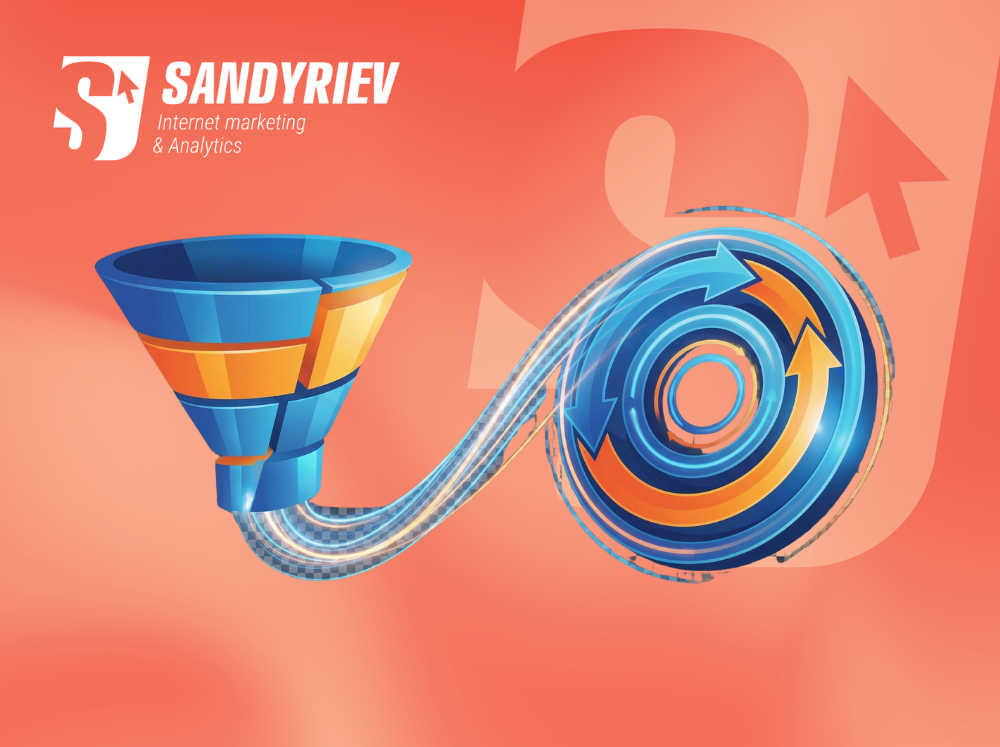
Why do some brands keep customers engaged for years while others lose them in seconds? The answer lies in how you build the customer journey. This guide is for those who want to understand advertising strategy — not just push buttons in an ad dashboard. What This Article Covers Imagine this: you launch ads, spend your budget, get clicks — but no sales. Or sales that cost way too much. Sound familiar? The problem is that most advertisers try to sell directly to people who don’t even know their product exists yet. It’s like approaching a stranger on the street and proposing marriage. They’ll probably run away. Advertising isn’t about “set it and forget it.” It’s about building relationships. And for those relationships to work, you need to understand where your potential customer is in their journey. In this article, I’ll break down: What a sales funnel is and why it’s shaped like a funnel The See-Think-Do-Care model — how to guide customers from awareness to purchase Why modern buyers don’t follow a linear path and how to work with that Flywheel — the evolution of the funnel for building long-term business Glossary: Key Terms Explained Simply Before diving in, let’s clarify some basic concepts. If you already know these terms, feel free to skip ahead. Sales Funnel — the path a customer takes from first hearing about you to making a purchase. There are always more people at the top than buyers at the bottom — hence the “funnel” shape. Picture a funnel: wide at the top, narrow at the bottom. Lead — a potential customer who has shown interest: left their phone number, filled out a form, sent a message. They haven’t bought yet, but they’ve “raised their hand.” Target Audience — the group of people who might be interested in your product. Not “everyone aged 18-65,” but specific people with specific problems. Conversion — a valuable action on your site: purchase, call, inquiry, subscription. The thing you’re actually running ads for. Remarketing (Retargeting) — technology that shows ads to people who’ve already visited your site. You’re “following up” with people who showed interest but didn’t buy. Cold, Warm, Hot Audience: Cold — knows nothing about you, may not even be aware of their problem Warm — interested, comparing options Hot — ready to buy right now, looking for the best deal The Marketing Triangle: Three Elements of Successful Advertising There’s an old but still relevant concept — the 3M rule (Market, Message, Media). Every successful ad is built on three elements: 1. Market — who are we selling to? This is about the right audience. Not “everyone,” but specific people with specific needs. 2. Message — what are we saying? This is about the right offer. Not “we’re the best in the market,” but a specific benefit for the customer. 3. Media — where are we showing it? Search, social media, YouTube, email — each channel has its own specifics. As American marketer Dan Kennedy said: “There are many ways to make the marketing triangle weak, and only one way to make it strong — the right message, to the right person, in the right place.” You might have a brilliant product, but if you show it to the wrong people or in the wrong place — no results. And vice versa: an average product with the right positioning can outperform competitors. Who Is Your Customer? Why “Everyone” Means No One One of the most common mistakes: “My target audience is men and women aged 25 to 50.” That’s not an audience. That’s half the country’s population. Even bread isn’t bought by everyone. Some are on gluten-free diets, some bake their own, some don’t eat carbs at all. If even bread has limitations, your product certainly does too. Men aged 25-50 are completely different people. A 25-year-old student and a 50-year-old company director have different incomes, interests, problems, and decision-making processes. Selling to them the same way is guaranteed failure. How to Create an Ideal Customer Profile You need to answer several questions: Demographics: Age, gender, location Occupation, income level Family status Interests and Lifestyle: What are their hobbies? Fishing, football, fashion, technology? How do they spend free time? Which social networks do they use? Pain Points and Motivation: What problem do they want to solve with your product? What concerns them? Why are they looking for a solution right now? Practical tip: don’t invent profiles from scratch. If possible, look at real customers. Check their social media profiles, see what they’re into, what they post, what they react to. This will give you more insights than any theory. If your business already has customers — talk to them. Ask why they chose you, what concerned them before buying, what they like now. This information is gold for your advertising. The See-Think-Do-Care Model: Four Stages of the Customer Journey Now let’s get to the main point — how to build the customer journey from first contact to purchase and beyond. The See-Think-Do-Care model was popularized by Avinash Kaushik — a renowned web analytics expert. The concept is simple: people at different stages of purchase readiness need different approaches. Stage 1: SEE (Awareness) Who these people are: the widest audience. People who don’t know about you yet and may not even realize they need your product. Their state: they have a potential problem, but they’re not thinking about it yet. Or they’re thinking about it but not actively seeking solutions. Your goal: reach as many people as possible, make yourself known, be memorable. Don’t try to sell directly — it won’t work. What to do: Use eye-catching creatives that grab attention Evoke emotions or curiosity Ask questions that resonate with the audience Example messages: “Want to relax this summer but don’t know where?” “Tired of spending hours in the kitchen?” “Could your business grow faster?” Important nuance: at this stage, we exclude people who’ve already visited our site. Why pay to show ads to people who already
Why Your Google Traffic Won’t Recover: 41% Loss Without AI: 25M-Impression Study
Question: What will happen if a daycare introduces a fine for parents who pick up their children late? A) Late pickups will decrease B) Nothing will change C) Late pickups will triple If you chose A — you think like a normal person. If you chose C — congratulations, you understand what Google is doing to your traffic right now. The correct answer: C. And this isn’t theory. This is a real experiment that changed economics. And it explains why your clicks are dropping even when AI Overviews aren’t showing. Haifa, Israel. Year 2000. A small daycare. One group. Twenty children. Working hours: 7:30 AM — 4:00 PM. The problem: By 4 PM, half the parents have picked up their kids. By 4:30 PM — another quarter. By 5 PM — three or four children remain. Teachers wait. Without extra pay. Because… well, what else can they do? Leave the children? 4:45 PM. The door opens. A mom with disheveled hair rushes in: — Sorry! Traffic! You can imagine, all of Allenby was completely… 5:10 PM. A dad in a suit, phone to his ear: — Sorry, urgent meeting ran over, I really tried… 5:30 PM. The last parent. Tired smile. Another “sorry.” The teacher gathers their things. Leaves in the dark. An hour after the shift ended. Next day — same thing. And the day after. And a week later. Chronic lateness became the norm. Parents are guilty. But keep coming late. Two economists intervened in this story. Uri Gneezy and Aldo Rustichini studied behavioral economics. They saw in this daycare an ideal laboratory. Their hypothesis was elegantly simple: “Lateness is free — there’s a lot of it. Make lateness costly — there will be less.” Economics textbook. First semester. Price ↑ → Demand ↓. Iron logic. They arranged with ten daycares in Haifa. Measured the baseline level of lateness: 4 weeks of observations. Recorded the average: 8 late pickups per week per group. And then introduced a fine. 10 shekels (~$3) for each pickup more than 10 minutes late. Announcement on the wall. Letters to parents. All official. A symbolic amount. Not ruinous. But noticeable. “You’re late — you pay.” The economists started their stopwatches. And began waiting. Week 1. Lateness became… more frequent. Not much. From 8 to 10. “Okay, parents haven’t gotten used to the new rules yet. Let’s wait.” Week 4. 15 late pickups per week. Almost twice as many as before the fine. “Something’s going wrong. But let’s give the system time to stabilize.” Economists check the data. Re-check the methodology. Everything’s correct. Week 12. 24 late pickups per week. Three times more than before the experiment. And it’s not just numbers. Behavior changed. Before the fine: Parent bursts in, out of breath: — Sorry, I won’t do it again, really, forgive me… Guilty look. Quickly grabs child. Runs away. After the fine: Parent enters calmly. Doesn’t even hurry: — Yes, I’m late. I’ll pay. No apologies. No guilt. Moreover. Some parents started calling ahead: — Hello? Is this the daycare? I’ll be 30-40 minutes late today. But I’ll pay the fine, so it’s all good, right? “So it’s all good, right?” What broke? Economists sat over the data. Logic said: we increased the price of lateness. There should be less lateness. But there was more. Much more. And then they understood. Before the fine, an invisible contract existed in the daycare. Not written. Not stipulated. But absolutely real. Moral contract: The teacher stays after 4:00 PM not because they’re obligated. They stay out of kindness. Out of care for the child. Parents know this. And feel debt. Guilt. Shame. “I’m letting down someone who’s doing me a favor.” This is a social incentive. It works through emotions: shame, respect, gratitude. Then they introduced the fine. And the contract changed. Economic contract: The teacher stays after 4:00 PM because… it’s a paid service. Parents pay $3. And feel they’ve purchased the right to be late. “I’m paying — so I have the right. It’s a deal.” This is a monetary incentive. It works through calculation: price, benefit, ratio. And here’s the problem. $3 for 20-30 minutes of extra time? That’s incredibly cheap. Less than parking. Less than coffee. The moral incentive was strong. Shame worked. The economic incentive turned out to be laughably weak. $3 isn’t punishment. It’s permission. The fine didn’t punish lateness. The fine legalized lateness. Parents understood: “Being late is normal. You just have to pay.” Guilt disappeared. “I’m letting someone down” disappeared. “I’m buying a service” appeared. Moral economy died. Money economy took its place. 16 weeks later. Economists looked at the graphs. Lateness kept growing. Teachers were exhausted. The experiment failed. Gneezy and Rustichini made a decision: cancel the fine. “Let’s return everything as it was. Admit the mistake.” Announcement removed from the wall. Letters to parents: “Fine cancelled.” Logic: No fine → moral incentive will return → lateness will decrease. Lateness didn’t return to normal. It remained at the level of 20+ per week. 2.5 times higher than before the experiment. Even without the fine. Even without “permission”. Parents continued being late. Calmly. Without apologies. Without guilt. Because the habit formed. The norm changed. The moral contract was destroyed. Forever. You can’t bring back shame by simply canceling the fine. You can’t restore “I’m letting someone down” if for 16 weeks the person thought “I’m paying for a service.” A psychological break occurred. And it proved irreversible. This story made it into textbooks. Book “Freakonomics.” Behavioral economics courses. Business school cases. Paradox of incentives. Destruction of social norms. Unintended consequences. An academic case. But for you reading this in November 2025, this isn’t an academic story. This is an exact metaphor for what Google is doing to your business. Because in 2024, Google introduced its own “fine”. It’s called AI Overviews. User enters a query. Google gives the answer right in the search results. No need to click. No need to visit a site. The answer is
AI Overviews now places ads inside the answer. What changes and how to use it
Google began embedding ads inside AI answers. This isn’t just a new slot — it’s a new selection mechanism: the model forms an answer first, then weaves in relevant products/offers. If you run Performance Max, Broad Match in Search, or Shopping with Broad, you may already appear. But without clean feeds, schema, and answer‑shaped assets, chances are slim. Below — how to prepare, avoid breaking your account, and measure impact before a dedicated report exists. Important: as of the publication date (November 4, 2025) AI Overviews with embedded ads are available in English and in the United States. Rollout to other countries/languages is expected later. What exactly changed Ads can appear inside AI Overviews, not just above/below results. Eligibility: Search with Broad Match, Shopping with Broad, Performance Max, and emerging types like AI Max for Search (where available). Exact‑only setups have little visibility on this surface. Reporting remains limited: many accounts don’t have a clean “AI Overviews” breakdown yet. Why it matters Users perceive the block as a recommendation, not a banner. Selection is entity‑ and attribute‑driven. The model chooses what matches query + context. Data wins selection; bids win the auction. Weak feed/schema = you never enter the candidate set. Where and when it triggers Higher occurrence on “best/which/vs/how to choose…” queries where no single right answer exists. Ads may show above, below, or within the AI block. The most valuable: integrated into the answer. Analytical takeaways (short) Not “another placement” — a rule change for selection. The contest shifts from keywords to entities/attributes. Feed quality > bid size. Without GTIN/MPN, clean images, structured specs your odds are low. Use longer attribution windows. Decisions mature; 7‑day views distort reality. Use proxy metrics until official reports arrive: query classes, non‑brand share, latency, incrementality. How to qualify without chaos Put Broad Match in a separate non‑brand campaign. Protect Brand/Exact via budgets + negatives. In PMax, split inventory by margin / availability. Exclude low‑margin/low‑stock SKUs from this surface. Turn on value‑based bidding: pass offline values (lead quality score, revenue, margin). Implement Enhanced Conversions and offline conversions from CRM. Prefer server‑side GA4 (sGTM). Feed & site hygiene (win selection) Merchant Center: Fill GTIN/MPN, brand, model, size, material, compatibility, warranty, shipping/returns. Titles: [Brand] [Model] — [Key spec] | [Use case]. Images: clean, front‑facing, no watermarks/text. Site & schema: Add structured data Product / ItemList / FAQ to key category pages. Replace “text walls” with spec tables. Add answer‑shaped bullets: Best for X / Works with Y / Fits Z + shipping/returns details. Risk management Negative keywords for ambiguous intent (“repair vs buy”, “DIY vs pro”). Exclude low stock/low margin SKUs from eligibility. Maintain brand‑safety lists. Use human‑in‑the‑loop: an exceptions queue and a 1–2% manual sample for QA. Measurement while no dedicated AI Overviews report exists Proxies that carry signal: Query‑class lift: non‑brand “best/which/vs” share, CTR/CVR, revenue per click — pre/post Broad/PMax enablement and feed enrichment. Geo feed‑enrichment A/B: enrich attributes/images for top SKUs in half the regions → read incremental revenue per $ and new‑user non‑brand share. Geo split (28–42 days): regions with AIO‑qualifying setup vs holdouts. Latency: change in time‑to‑first‑click for new users; growth in assisted conversions on non‑brand paths. Tip: do not judge on 7 days. For this surface a realistic window is 14–30+ days, depending on category. 14‑day action plan Days 1–3. Data audit: Merchant Center attribute completeness, site schema, presence of FAQs/spec tables, image quality. Days 4–6. Launch a Broad sandbox in a separate campaign; protect Exact/Brand. In PMax, segment by margin/availability; add answer‑shaped assets. Days 7–10. Connect offline values (deal stage/revenue/margin). Configure Enhanced Conversions/server‑side sends. Days 11–14. Start geo feed‑enrichment A/B + define proxy metrics; first query‑class lift readout. Common mistakes Enabling Broad inside existing exact/brand campaigns. Reading impact on CTR/clicks instead of incremental revenue. Ignoring attributes/images and trying to win with bids alone. Cutting budgets on a 7‑day ROAS view without waiting for the conversion window. Conclusion AI Overviews shifts search from keyword competition to entity competition. Teams with better data (feed + schema + assets) and value‑based bidding will win both selection and auction. While dedicated reporting isn’t widespread, there is a first‑mover window. Prepare the feed, pipe value signals, measure incrementality — and you’ll capture the best impressions before it becomes another bid race. Can I specifically target/exclude AI Overviews? As of 11/04/2025 — generally no. Inclusion is automatic if campaign and data qualify. Which campaigns qualify? Search with Broad Match, Shopping with Broad, Performance Max (plus emerging types like AI Max for Search where available). Is there official reporting for this placement? Still limited. Use proxy metrics (see section 8). Where is it live? As of publication — US, English. What if resources are tight — what to do first? Top 20% revenue SKUs: fill attributes, refresh clean photos, add spec tables and FAQs to category pages.
How Tech Giants Read Your Mind Without Eavesdropping (And Why It’s Scarier Than Any Wiretap)

Loading the Elevenlabs Text to Speech AudioNative Player… Imagine this: a system knows you’ll buy a red dress in size M in three days, even though you don’t know about your intention yet. It sees your future pregnancy 6 months before conception. It predicts divorce while you’re still happily married. And all this – without a single eavesdropped word. Most people are convinced: if advertising is so accurate, phones must be listening to conversations. But in reality, algorithms have learned to read between the lines of your digital life so well that eavesdropping has simply become unnecessary. And here’s why this is far more terrifying than any conspiracy theories about secret microphones. Official Statements vs. Independent Research Large companies have repeatedly debunked this myth. For example, Facebook officially stated back in 2016: “Facebook does not use your phone’s microphone to inform ads… We show ads based on people’s interests and information in their profile – not what you’re talking about out loud.” Of course, we shouldn’t trust the platforms’ own statements. So let’s analyze independent scientific research and technical experiments that debunk the mass surveillance myth. Experimental Evidence of No Eavesdropping Wandera Research (2019) Cybersecurity specialists conducted experiments trying to determine whether apps “listen” to microphones secretly from users. In 2019, Wandera company conducted a demonstration test: two phones (iPhone and Samsung) were placed nearby, and for 30 minutes daily they played audio recordings of pet food ads. For experimental purity, all popular apps were given microphone access permissions. Then results were compared with a control period when phones lay in silence. Experimental results: No pet food ads appeared in any app afterward No noticeable difference in traffic consumption between “noisy” and quiet modes No difference in battery drain No difference in background app activity This is a key observation: if an app were secretly recording and sending audio to servers, there would be noticeable anomalous data and energy consumption. None was detected. Engineer James Mack from Wandera noted that all tested apps consumed orders of magnitude less data than a voice assistant during the same period, meaning no constant recording and uploading of conversations was occurring. Mathematical Calculations of Mass Surveillance Impossibility Former Facebook product manager Antonio García-Martínez also calculated that if smartphones continuously streamed audio to servers, data volume would be about 130 MB per day per person, or 20 petabytes per day total for the US alone. This is close to Facebook’s entire data storage capacity and practically impossible to implement covertly. Even attempts to assume “selective” eavesdropping on keywords run into the problem that tracking millions of potential triggers would instantly overload the phone’s processor and expose itself. Northeastern University Study Northeastern University research checked for secret app access to microphones. Scientists analyzed over 17,000 Android apps and found no cases of unauthorized microphone activation. However, they discovered other alarming things: some apps made hidden screenshots and sent them to third parties (one even recorded screen video). This may pose an even greater privacy threat than hypothetical eavesdropping on random conversations, since screenshots can reveal the content of your messages or browser activity. Why We Think We’re Being “Eavesdropped On” The thing is, our smartphone collects a huge amount of other personal data without eavesdropping, allowing advertising algorithms to guess our needs. Your phone doesn’t eavesdrop on you 24/7, but it can track you in dozens of other ways. Thanks to this ocean of data, companies like Facebook and Google show ads that sometimes frighteningly match your recent interests. How Advertising Algorithms Guess Our Interests Without Eavesdropping If smartphones don’t record conversations, how does advertising become so relevant? The secret lies in the power of advertising algorithms and abundance of data about your digital behavior. Modern advertising systems (Meta, Google, etc.) collect information about users from multiple sources. Every like, click, search, geolocation, loyalty card purchase – all of this feeds the algorithm. Data Sources for Targeting Demographics and Social Connections: Facebook knows your demographics, circle of friends and interests, pages you like, and can even correlate data about your activity on external sites through pixels and cookies. Geolocation and Movement: Smartphone GPS data reveals which stores or places you visit. The system knows your location, understands who you’re frequently near (and can assume shared interests of these people). Online Behavior: Google search history clearly indicates your intentions. Online purchases and browsing reveal what products you’re considering. Offline Data: Retail chains link loyalty card purchases to phones or emails, then use this data in targeting too. Communication Metadata: On Android devices, Facebook previously even collected call and SMS metadata (who called when). Algorithm Operation Example A frightening example: algorithms can determine that you and your friend discussed a wedding without eavesdropping on the conversation, by analyzing that you’re together, you both communicate with a third friend preparing for a wedding, you recently viewed related pages, etc. As a result, you’ll see wedding suit tailoring ads exactly when the topic is relevant to you. Platforms also use more subtle signals. According to some data, algorithms can detect indirect signs, such as changes in frequency and timing of app usage. There’s even a legend that Facebook can guess a woman’s pregnancy from her feed scrolling patterns long before official announcement. New Restrictions: Cookie Abandonment and Privacy Enhancement Despite all the power of advertising algorithms, these systems have faced serious limitations due to privacy changes. In recent years, users and regulators are increasingly concerned about “how does the platform know so much about me?” Third-Party Cookie Blocking Traditionally, ad networks tracked users across the internet using third-party cookies – small identifiers that advertiser sites store in your browser. However, such cross-site trackers came to be seen as privacy threats. Regulators declared that cookies capable of identifying a person are equivalent to personal data and require user consent (as interpreted by European GDPR). Browsers also began tightening policies: Safari and Firefox first disabled third-party cookies by default several years ago Google Chrome will disable them for 100% of
The Google Ads Trust Crisis: What Court Documents Reveal About the Platform We All Depend On
A comprehensive analysis of the declining trust in Google Ads, backed by legal documents, industry research, and expert insights from 2020-2025 Introduction: The Platform That Changed Everything Google Ads transformed digital marketing. For over two decades, it has been the backbone of countless businesses, the first recommendation of marketing consultants, and the primary driver of Google’s $307 billion annual revenue. Yet something fundamental is shifting in how professionals view this platform. In 2025, a landmark study revealed that 54% of PPC experts report declining trust in Google Ads — the steepest drop among all major advertising platforms. This isn’t just about user interface changes or new features that take time to understand. Court documents, internal communications, and regulatory investigations paint a picture of systematic practices that may explain why seasoned professionals are questioning a platform they’ve relied on for years. This analysis examines what’s behind this trust crisis, what court cases have revealed about Google’s advertising practices, and what it means for the future of digital marketing. The Trust Erosion: By the Numbers Industry-Wide Patterns Recent research from Search Engine Land and other industry sources reveals troubling trends: 54% of PPC experts report decreased trust in Google Ads (2024-2025) 86% of industries experience rising advertising costs Cost per lead increased 5.13% to $70.11 across sectors 99% of specialists now use Smart Bidding (limited alternatives) Performance Max adoption exceeds 90% of eligible accounts The Transparency Problem Professional marketers consistently report similar concerns: Inability to verify targeting accuracy Lack of search term visibility in automated campaigns Unclear ad placement reporting Audience signal effectiveness uncertainty Attribution model changes without clear communication What the Courts Uncovered Cabrera v. Google LLC: The $100 Million Settlement Case Duration: 2011-2025 (14 years) Settlement Amount: $100 million Evidence Volume: 910,000+ pages of documents This class-action lawsuit, reaching preliminary settlement approval in March 2025, provides the most comprehensive look into Google’s advertising practices to date. Key Allegations Substantiated: Smart Pricing Manipulation: Google allegedly modified the Smart Pricing formula to reduce advertiser discounts artificially Geographic Targeting Violations: Charges for clicks outside specified geographic zones Billing Irregularities: Systematic overcharging through algorithmic adjustments What the Documents Revealed: The discovery process uncovered internal communications showing: Revenue optimization taking precedence over advertiser transparency Algorithm changes designed to increase spending rather than improve performance Limited internal oversight of billing accuracy systems Project “Momiji”: The Secret Revenue Boost Timeline: 2017-2019 Impact: 15% increase in click costs Internal Codename: “Momiji” (Japanese for “autumn leaves”) Internal Google documents, revealed during Department of Justice antitrust proceedings, detailed Project Momiji — a systematic effort to increase advertising revenue through algorithm modifications. How It Worked: Secret adjustments to auction algorithms Increased bid competition through artificial scarcity Modified quality score calculations “Revenue smoothing” across quarters Internal Communications: Email exchanges between senior Google Ads executives discussed “shaking the couch cushions” to find additional revenue, with specific mention of algorithm tweaks that would be “invisible to advertisers” while boosting company earnings. The Adalytics YouTube Investigation Research Period: 2022-2023 Brands Affected: 1,100+ major advertisers Estimated Losses: $13 billion Independent research firm Adalytics conducted the largest-scale analysis of YouTube advertising placements, revealing systematic discrepancies between promised and actual ad delivery. Key Findings: 80% of video campaigns violated Google’s own service standards Ads promised as “premium YouTube placements” appeared as: Muted autoplay videos on external websites Banner-sized videos on low-quality content sites Ads on websites violating brand safety guidelines Brand Impact: Major advertisers including Johnson & Johnson, Samsung, and Disney+ discovered their premium video budgets were funding placements they would never have approved, leading to widespread campaign pauses and budget reallocations. The DOJ Antitrust Cases Case 1: Search Monopoly (Decided August 2024) Ruling: Google found guilty of illegal monopolization Key Evidence: $26.3 billion annually spent on default search placement Impact: Forced structural changes pending Case 2: Ad Tech Monopoly (Decided April 2025) Ruling: Google holds illegal monopolies in ad tech Scope: Publisher ad servers, ad exchanges, demand-side platforms Remedy Phase: September 2025 trial for forced asset sales Internal Documents from DOJ Cases: David Rosenblatt (Former VP, Google Display): “We’ll be able to crush the other networks and that’s our goal… We’re going to do to display what Google did to search.” Jerry Dischler (President, Google Ads): Internal emails discussed multiple “revenue optimization” projects, including: Auction manipulation techniques Advertiser spend acceleration programs Algorithm modifications to increase platform dependency The Technical Reality: What Can’t Be Verified Targeting Accuracy The Promise vs. Reality: Modern Google Ads targeting operates on what Google calls “intent signals” rather than strict demographic or behavioral criteria. When advertisers select “recently opened business owners,” they’re essentially submitting a request that Google interprets through its algorithms. What Advertisers Can’t Verify: Whether selected audiences actually match targeting criteria How Google defines “interest” in business ownership What percentage of impressions reach the intended audience Whether audience expansion occurs without notification Industry Testing: Independent studies by marketing agencies consistently show: 20-40% variance in expected vs. actual audience characteristics Significant traffic from outside specified demographics Limited correlation between audience settings and actual visitor profiles Performance Max: The Ultimate Black Box What Marketers Know: Total spend and conversions General performance trends Asset performance ratings (limited) What Remains Hidden: Specific ad placements across Google’s network Search terms triggering ads Individual creative performance Audience segment breakdowns Cross-channel attribution details Real-World Impact: Marketing professionals report managing Performance Max campaigns feels like “flying blind” — results may be positive, but optimization requires guesswork rather than data-driven decisions. The Economics of Declining Transparency Rising Costs Across Industries 2024-2025 Cost Increases by Sector: Legal Services: +8.2% (highest CPC sector) Insurance: +6.8% Technology/Software: +5.9% Healthcare: +5.4% E-commerce: +4.8% Professional Services: +4.2% The Automation Tax As Google pushes advertisers toward automated solutions, several cost factors emerge: Smart Bidding Premiums: 15-20% higher average CPCs compared to manual bidding Reduced ability to optimize for specific KPIs Limited cost control during high-traffic periods Performance Max Requirements: Higher minimum budgets for campaign viability Forced expansion into display/YouTube (varying quality) Reduced granular control over spend allocation Alternative Platforms: The Diversification Movement Microsoft Ads: The
The Truth About Social Media Advertising: Debunking the Organic Reach Suppression Myth
⚡ Bottom Line in 30 Seconds: Paid advertising does NOT suppress organic reach — this is a myth. Organic reach has declined independently due to algorithm changes and content saturation. Facebook shows only 1.37% to followers, Instagram 4%, but this isn’t “punishment” for advertising. Platforms have simply shifted to pay-to-play models. The Research That Sets the Record Straight In 2025, the question of paid advertising’s impact on organic reach has become critically important for marketers. After comprehensive research across industry sources, platform statements, and documented case studies, the evidence shows: organic reach decline is universal and structural, not caused by paid advertising penalties. Shocking Organic Reach Numbers for 2025: Facebook: 1.37% (down from 16% in 2012) Instagram: 4.0% (12-18% year-over-year decline) TikTok: from 24% to 10% over two years LinkedIn: 6.4% for posts, 2% for company pages X (Twitter): 3% of followers see posts Key Findings from Expert Research ✅ What’s Confirmed by Facts: No platform officially penalizes for advertising — confirmed by Instagram, TikTok, YouTube executives Organic reach is declining for everyone, regardless of ad spend Hybrid strategy (organic + paid) shows better results than either approach alone Paid and organic algorithms operate independently ❌ Debunked Myths: “Start advertising and organic reach drops” — FALSE “Platforms punish those who don’t pay” — FALSE “Stop advertising and organic will recover” — FALSE “Organic reach is dead” — EXAGGERATION What’s Really Happening on Each Platform Instagram: Official Myth Debunking Executive Statement: Adam Mosseri (Instagram CEO) stated in January 2025: “The algorithm does NOT suppress post reach because they’re ads or sponsored”. Priority signals are now watch time, likes, and shares. Real Numbers from Case Studies: Tourism company: +189% reach combining organic with minimal boosting Retail brand: +40% impressions using carousels with Stories promotion TikTok: Denying Direct Connection Official Position: TikTok for Business directly answers: “Using Promote does not affect the view count of your other videos”. Documented Results: Analysis of 780,000 videos shows: reach decline happens regardless of advertising GMV Max (organic + paid integration) delivers +30% GMV YouTube: Experiments Disprove Fears Proven by Research: Experiment with 5 million ad-driven views showed — organic views continued growing alongside paid views. Facebook: Pay-to-Play Model Direct Meta Statement: “Facebook today is a pay-to-play platform. The more you spend, the more visibility you get”. But this isn’t punishment for advertising — it’s the business model. X (Twitter): Behavioral Factor Unique Aspect: Users often mute accounts after seeing ads, which directly reduces organic audience. ⚠️ Important Nuance: Indirect Impact of Advertising on Organic Reach Advertising can indirectly affect organic reach through audience composition changes. It’s important to understand: paid and organic algorithms do indeed work independently, but new followers acquired through advertising can impact organic metrics of future posts. 🔄 Chain Reaction: Ad post attracts new audience → people subscribe after viewing specific promotional content New followers see subsequent organic posts → but their subscription motivation was different (promotional offer, not general interest in content) Lower engagement with organic content → new followers less likely to like, comment, save regular posts Algorithm sees declining engagement rate → overall statistics deteriorate due to “cold” followers Decreased organic reach → algorithm assumes content became less interesting 📊 Real Practice Example: Before advertising: 1,000 followers, 8% engagement on organic posts (80 interactions) Ad campaign: promotional post about discount attracts +1,000 new followers Next organic post: shown to 2,000 followers, but new ones provide only 2% engagement Result: overall engagement drops to 5% (100 interactions on 2,000 followers) Algorithm reaction: “Content became less interesting” → reduces organic reach 💡 Key Understanding: This isn’t punishment for advertising, but a natural algorithm reaction to audience behavior changes. The algorithm simply sees statistics without knowing the reasons for the change. 🎯 How to Avoid This: Careful targeting — show ads only to interested audiences Quality creative — ensure advertising attracts the right people New audience warming — create content to adapt new followers Audience quality monitoring — track not just quantity, but behavior 💡 Conclusion: Advertising doesn’t “punish” you intentionally, but can change audience dynamics. Understanding this mechanism allows you to control it. Case Studies with Real Numbers Case #1: Tourism + Instagram/Facebook Strategy: 3-5 posts weekly + $20 boosting Facebook Result: +75% reach, +267% leads Instagram Result: +189% reach Case #2: Retail Brand Problem: -30% organic engagement in 3 months Solution: Interactive content + minimal promotion Result: +15% engagement above previous levels Case #3: P&G Experiment Action: Turned off $200M in advertising Result: Sales unchanged — proof of no direct correlation Practical Recommendations for Each Platform Instagram: Creative Content Strategy 📋 Content Mix: ✓ 60% — educational/valuable content ✓ 30% — behind-the-scenes ✓ 10% — promotional 📊 Frequency: ✓ 1-2 feed posts daily ✓ 3-7 Stories daily ✓ 3-5 Reels weekly 💰 Budget: ✓ 60% — organic ✓ 40% — paid TikTok: Entertainment Focus 🎬 Content: ✓ Hook in first 3 seconds ✓ Minimum 2-3 videos weekly ✓ Focus on watch time 📈 Metrics: ✓ Target: 5.96% engagement ✓ CPC: $0.26-$1.50 💰 Distribution: ✓ 50% — content creation ✓ 30% — advertising ✓ 20% — influencers YouTube: SEO + Watch Time 🔍 Optimization: ✓ SEO titles/descriptions ✓ Consistent schedule ✓ Comment engagement 💰 Budget: ✓ 60% — production ✓ 25% — promotion ✓ 10% — SEO tools ✓ 5% — community Checklist: How to Test Advertising’s Impact on Organic Before Launching Ads: [ ] Record baseline metrics for the last 30 days [ ] Note average reach, engagement, CTR [ ] Document posting frequency and content types During Advertising: [ ] Track metrics separately: organic vs paid [ ] Monitor audience quality (time on page, bounces) [ ] Check negative feedback (hides, complaints) After Advertising: [ ] Compare organic metrics to pre-advertising period [ ] Analyze audience quality changes [ ] Assess long-term brand impact Step-by-Step Hybrid Strategy Algorithm Step 1: Current State Audit Analyze metrics for the last 3 months Assess content quality (what works better) Define target audience by platform Step 2: Content Planning Create content plan 70%
Why Top-1 in Google Ads destroys your ROI: 5 hard truths most businesses learn too late
Most businesses chase the wrong goal in Google Ads. They fight tooth and nail for that coveted #1 position, burning through budgets like fuel in a Formula 1 race. But here’s the uncomfortable truth: the goal isn’t getting more orders. It’s maximizing profit. Too many businesses confuse the path with the purpose. More orders ≠ more profit. And as I’ll show you with real data, the relentless pursuit of top positions often destroys the very thing you’re trying to build. The Flawed Logic Most Businesses Follow The reasoning sounds bulletproof: We need more profit More profit comes from more orders More orders come from more clicks More clicks come from top-1 position So let’s bid our way to the top! Sounds logical. It’s not. Where This Logic Breaks Down 1. Higher Position = Lower Intent According to research from AgencyAnalytics, positions 2-4 consistently deliver more qualified traffic than top-1. The reason? Top ads catch everyone. Middle positions catch those who compare and choose. Users who scroll past the first result are typically more motivated and conversion-ready. They’re not just clicking the first thing they see—they’re actively evaluating options. 2. Banner Blindness is Your Quality Filter Studies show that 94% of users ignore search ads entirely, jumping straight to organic results. But here’s the goldmine: the 6% who do click on ads are 50% more likely to make a purchase compared to organic traffic visitors. This “banner blindness” effect actually works in your favor—it filters out casual browsers and delivers genuinely interested prospects. 3. The “Second Look” Effect Google’s internal analysis reveals that users frequently return to middle positions after initially scanning top results. Many scroll down, compare options, then circle back to click on positions 2-4 because these ads often feel more trustworthy and less “oversold.” 4. Mobile Changes Everything On mobile devices, research indicates the gap between positions narrows significantly. While desktop shows a 2x CTR difference between position 1 and 2, mobile shows only ~1.5x difference. Position 2-3 ads on mobile capture nearly as much attention as top spots. 5. Time-of-Day Behavior Patterns Data analysis shows conversion rates drop from 12% during business hours to 3.5% in evening hours, while CPC remains relatively stable. During peak business hours, users click faster and convert immediately—favoring top positions. In the evening, they browse more thoughtfully, giving middle positions better opportunities. Real Case Study: When Strategy Beats Position Let me share real numbers from a recent campaign that proved these principles: Google’s Recommendations: Suggested CPC range: £1.85-£6.35 for top positions Estimated monthly searches: 22,200-5,400 per term Competition level: Medium to High Our Strategic Approach: Actual CPC: £2.37-£2.41 (deliberately bidding at lower end) Top position share: <10-11% (intentionally avoiding #1) Focus on positions 2-4 The Results: Conversion rates: 21.4% – 35.88% (exceptionally high) Cost per conversion: £6.60 – £11.08 CTR: 7.97% – 8.95% (despite lower positions) Cost savings: 52.6% vs bidding for top positions By avoiding the top position trap, this campaign achieved: 2.1x more clicks for the same budget Conversion rates that validate the “quality traffic” hypothesis Sustainable, profitable growth instead of expensive vanity metrics The ROI Reality Check Multiple studies confirm that maximum position ≠ maximum ROI. In many cases, positions 2-4 deliver better return on ad spend because: Lower CPC – Less competition for “good enough” positions Higher intent traffic – Users who scroll and compare are more serious Better budget efficiency – More clicks and conversions per pound spent Sustainable scaling – Profitable growth rather than vanity metrics Industry-Specific Insights B2B vs E-commerce Research shows B2B buyers make 7-12 searches before deciding, making consistent visibility in positions 2-5 more valuable than sporadic top-position appearances. E-commerce, however, often benefits from top positions due to impulse buying behavior. Local Business BrightLocal studies reveal that 70% of local searchers compare multiple businesses before choosing. For local services, being visible in positions 2-4 is often sufficient to capture qualified leads. The Testing Imperative The only way to know what works for your specific business is systematic testing. Industry experts unanimously recommend testing different position strategies rather than blindly following Google’s suggestions. Key metrics to track: ROI/ROAS, not just CTR Cost per acquisition vs volume Customer lifetime value by acquisition channel Profit margins, not just revenue The Bottom Line Top-1 position isn’t the goal—predictable, profitable customer acquisition is. The most successful advertisers focus on: ROI over vanity metrics like position Quality over quantity of traffic Testing over assumptions about what works Profit over volume when budgets are limited Before you burn another pound chasing that #1 spot, ask yourself: Are you optimizing for Google’s revenue or your own profit? The smartest money isn’t always on the top shelf. What’s your experience with ad positioning strategies? Have you found the sweet spot between visibility and profitability? Share your insights in the comments. Sources: AgencyAnalytics – Ad Position Research WebFX – Google Ads Statistics Google Ads Help – Search Ads Relevance Power Digital – Desktop vs Mobile CTR SearchEngineLand – Position vs Conversion Metric Theory – Position Strategy BrightLocal – Consumer Search Behavior
How to Choose Profitable Keywords Using the Adapted RICE Framework for Google Ads
Introduction: Why Your Keywords Are Bleeding Money “I spent $47,000 last year on Google Ads and got 12 new clients. Something’s deeply wrong.” This was Sarah, a skilled family therapist from London, when she first reached out. Beautiful website, active on social media, glowing testimonials—but her Google Ads were a black hole for money. Sound familiar? You pour thousands into keywords that “seem relevant,” chase high search volumes, and wonder why your bank account shrinks while your calendar stays empty. Here’s the brutal truth: most helping professionals choose keywords like throwing darts blindfolded. You’re not failing because Google Ads don’t work—you’re failing because you’re guessing instead of measuring. Today I’ll show you exactly how to stop the guesswork. In the next 15 minutes, you’ll learn a systematic approach that turns keyword selection from gambling into science. No more hoping. No more bleeding money. Just clear, profitable choices. Quick example: Using this method, Sarah cut her keyword list from 847 to 23 words, reduced her monthly spend by 60%, and doubled her new client bookings. Ready to see how? 📌 What is RICE and Why It’s Perfect for Google Ads? RICE is a prioritization framework originally created for product teams. It stands for: Reach — how many people you can impact Impact — how much value you create Confidence — how sure you are about your prediction Effort — how much work it takes The magic formula: (Reach × Impact × Confidence) / Effort Why does RICE crush “gut feeling” methods? Because it forces you to evaluate every keyword across four dimensions simultaneously. No more “this keyword looks good”—you get concrete numbers that predict profitability. I’ve adapted each component specifically for Google Ads and helping professionals. Instead of abstract scores, you’ll use real metrics from Keyword Planner and your actual experience. 🎯 Complete RICE Guide for Google Ads Keywords 📈 1. R – REACH (How Many People You Can Actually Reach) Reach shows your true potential audience for each keyword. But raw search volume tells only half the story—you need to adjust for reality. Here’s how to calculate real Reach: Start with: Monthly Search Volume from Google Keyword Planner Then multiply by these adjustments: Seasonal patterns — because therapy demand changes throughout the year Steady year-round: 1.0 Winter boost (family issues, relationship stress): 1.2 Summer dip: 0.8 Growth trend — is this keyword getting more or less popular? Growing (+20% yearly): 1.2 Stable: 1.0 Declining: 0.8 Device reality — helping professionals search differently Desktop-heavy searches: 1.1 Mobile-heavy: 0.9 Simple calculation: Real Reach = Search Volume × Season × Trend × Device Example: “family psychologists” Search Volume: 570 Season: 1.1 (stable with slight winter increase) Trend: 1.2 (growing – family therapy gaining popularity) Device: 1.1 (desktop preference for serious queries) Real Reach = 570 × 1.1 × 1.2 × 1.1 = 832 💰 2. I – IMPACT (Commercial Value of Each Click) Impact determines how likely each click is to become money in your bank account. Remember: 1,000 clicks from “what is family therapy” are worth less than 100 clicks from “book family therapy session today.” Three parts of Impact: 1. Search Intent (1-10 points): Information seeking (2-3): “what is family therapy”, “family therapy benefits” Researching options (6-7): “family therapy cost”, “best family therapist reviews” Ready to book (9-10): “book family therapy session”, “family therapist appointment now” 2. Location signals (bonus points): “near me” in search: +3 points City/area mentioned: +2 points “online” specified: +1 point No location: 0 points 3. Buyer readiness (1-10 scale): Just learning (“what is family counseling”): 1-3 Comparing options (“family therapy vs marriage counseling”): 4-6 Ready to decide (“book family therapist today”): 7-10 Simple calculation: Impact = (Intent Points + Location Bonus + Readiness) ÷ 3 Example: “book family psychologist appointment” Intent: 10 (transactional – ready to book) Location: 0 (no geographic binding) Readiness: 9 (maximum readiness for action) Impact = (10 + 0 + 9) ÷ 3 = 6.3 🎯 3. C – CONFIDENCE (How Sure You Can Be About Results) Confidence shows how much you can trust your prediction for this keyword. More data and experience = higher confidence = better decisions. Three confidence factors: 1. Historical data quality (40% weight): 12+ months of data: 10 points 6-12 months: 7 points 3-6 months: 5 points Less than 3 months: 2 points Brand new keyword: 1 point 2. Data reliability (30% weight): Exact match historical data: 10 points Phrase match data: 7 points Broad match estimates: 4 points Keyword Planner guesses only: 2 points 3. Your experience (30% weight): Deep helping professions experience: 10 points Some relevant experience: 6 points New to this field: 3 points Calculation: Confidence = (Historical × 0.4) + (Data Type × 0.3) + (Experience × 0.3) Example: You have 8 months of exact match data, strong family therapy niche experience Historical: 7 × 0.4 = 2.8 Data Type: 10 × 0.3 = 3.0 Experience: 10 × 0.3 = 3.0 Confidence = 2.8 + 3.0 + 3.0 = 8.8 ⚙️ 4. E – EFFORT (What It Really Takes to Win) Effort measures how much work and money you need to make this keyword profitable. High effort keywords eat your budget—even if they look attractive. Three effort components: 1. Competition reality (50% weight): Low competition: 2 points Medium: 5 points High: 8 points Extremely high: 10 points 2. Cost reality (30% weight): $0.50-2.00 per click: 2 points $2.00-5.00 per click: 5 points $5.00-10.00 per click: 8 points $10.00+ per click: 10 points 3. Creative requirements (20% weight): Current ads work fine: 1 point Need minor tweaks: 3 points Need new ad copy: 6 points Need dedicated landing page: 10 points Calculation: Effort = (Competition × 0.5) + (Cost × 0.3) + (Creative × 0.2) Example: “best family psychologists” Competition: High (difficulty 100) = 10 Cost: $4.00 per click = 5 Creative: need new ad copy = 6 Effort = (10 × 0.5) + (5 × 0.3) + (6 × 0.2) = 5.0 + 1.5 + 1.2 = 7.7 📊 Putting It All
40% of Your Ad Budget Vanishes. Here’s Where It Goes
Last week, Alex spent $5,000 on Facebook ads for his online shoe store. His bank account showed 127 sales worth $9,500. But Google Analytics recorded only 78 conversions from Facebook. 49 sales were “invisible” to analytics. Alex thought Facebook wasn’t working. He cut the budget by 50%, but sales dropped even more. The problem persisted. Every month he was missing opportunities to scale profitable advertising. Six months later, Alex was on the verge of bankruptcy. He was undervaluing his best channels due to inaccurate analytics. Now imagine: there are thousands of “Alexes” in the world. And maybe one of them is you. Where Your Money Hides: 5 Invisible Thieves Thief #1: Social Media In-App Browsers (stealing 25-30% of customers) Your customer saw an ad on Facebook mobile and clicked. The site opened not in regular Chrome, but in Facebook’s special built-in browser. What happens next is a disaster: The in-app browser doesn’t pass crucial data: Where the user came from Who they are (cookies don’t work) Their previous activity The customer closes Facebook, an hour later visits your site through Chrome and buys. Analytics records: “New customer from direct traffic.” Your $12 Facebook click “disappears” from attribution. Real case: An electronics store was losing $1,200 monthly due to this issue. The owner thought Facebook wasn’t working and reduced the budget. Sales dropped even further. Thief #2: Ad Blockers (stealing 15-40% of data) 42% of users have AdBlock installed. For them, your site is invisible. A customer comes from ads, buys $120 worth of products, but analytics can’t see them. Scripts are blocked. You pay for advertising but don’t know it works. Even worse — you might reduce budget or turn off a profitable ad campaign because “it’s not generating sales.” Thief #3: The Mysterious “Direct Traffic” Analytics reports have a “Direct” section — supposedly people who typed your URL manually. That’s a lie. 90% of “direct” traffic is actually: Clicks from messengers (WhatsApp, Telegram) Links without UTM parameters Returns from social media Result of ad blockers Shocking fact: One client had 60% of sales in “Direct.” In reality, 80% came from Instagram, but the owner didn’t know this and wasn’t investing in channel development. Thief #4: Fake Sales in Analytics Your analytics shows 100 sales, but your cart shows 73. Where are the other 27? Analytics counts: Canceled orders (customer changed mind) Product returns Employee test purchases Orders without cookie consent The cart only counts real sales. One store owner increased budget by 50%, seeing “sales growth” in analytics. In reality, only returns were growing. Thief #5: The Customer Journey Chain Modern customers don’t buy immediately. Here’s their path: Saw Facebook ad (mobile) Watched YouTube video (tablet) Read Google reviews (laptop) Bought via search (smartphone) Analytics only records the last step. Facebook, which started the entire chain, gets no credit. 5-Minute Test: How Much Money Are You Losing? Step 1: Open your analytics data for last month Step 2: Compare “sales” in Google Analytics with real sales in your CRM/cart Step 3: Check your % of “Direct” traffic If: Difference is over 15% — you’re losing $1,500 from every $10,000 budget “Direct” is over 30% — half of this traffic is actually paid ads You don’t use UTM tags — you’re “blind” to 60% of performance The Antidote: How to Recover Lost Money Emergency help (do today): Add UTM tags to ALL ad links Facebook: ?utm_source=facebook&utm_medium=paid&utm_campaign=name Google: use auto-tagging Enable Enhanced Ecommerce in Google Analytics This shows real sales, not just “Thank you” page visits Install Conversions API for Facebook Bypasses ad blockers, shows real performance Long-term treatment: The Three-Source Rule: Never make decisions based on one report. Compare weekly: Analytics data (Google Analytics) Ad platform reports (Facebook, Google Ads) Real sales (cart, CRM, bank) Truth is in the middle. The Happy Ending Story Back to Alex from the beginning. After 3 months working with the new approach, he discovered: 35% of his “direct” traffic actually came from Instagram Facebook worked 2x better than analytics showed Google Ads had negative ROI (previously invisible) Result: Alex redistributed budget, increased profit by 78%, and saved his business. Now his friend Max spends $7,500 on ads monthly but still doesn’t know where the money goes… Why This Matters Right Now In today’s economy, every dollar counts. You can’t afford to lose 40% of your budget to inaccurate analytics. Big companies have entire departments to handle these issues. Small businesses don’t have that luxury. But now you know where to look for missing money. Save this material and share with colleagues. You might save someone’s business from bankruptcy.